What we learned building 60+ startup brands
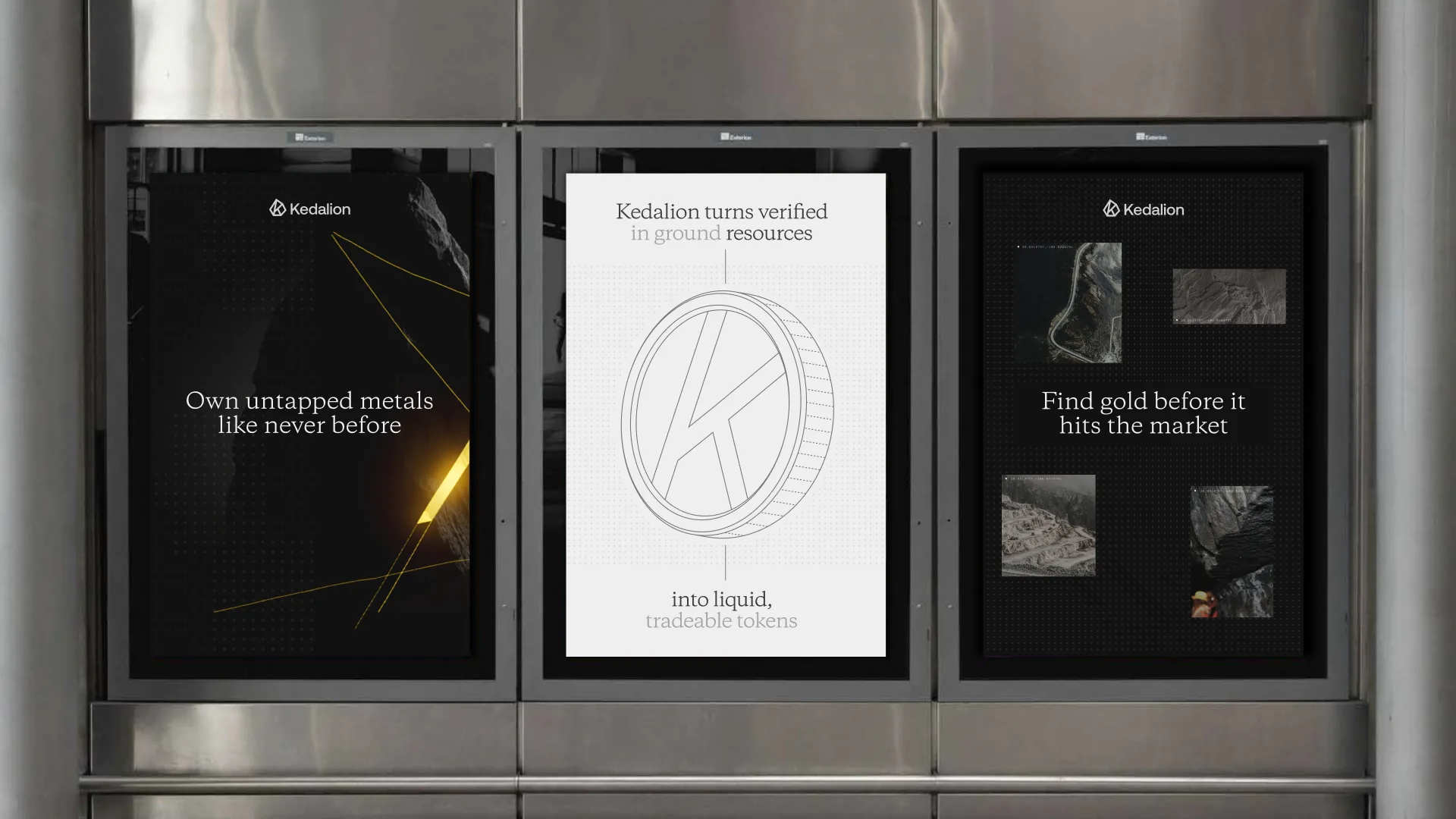
We've built brands for 60+ technology companies. Wallets, protocols, AI platforms, fintech products, developer tools. Some raised $5M. Some raised $200M. Some shipped to millions of users. A few didn't make it.
After that many, you stop seeing individual projects and start seeing patterns. Here's what we've learned.
Most founders overthink naming
Naming is the number one thing that stalls a brand project. Founders spend months going back and forth on it, running surveys, testing with friends, hiring naming agencies. Meanwhile the product ships with a placeholder and the team loses momentum.
The truth is simpler than people want it to be. A name needs to be spellable, searchable, and available as a domain. That's it. The brand you build around it matters far more than the word itself.
Coinbase is a generic compound word. Stripe is a noun. Figma means nothing. These are some of the strongest brands in technology, and none of them won because of the name. They won because the brand system around the name was consistent, confident, and well executed.
If you've been stuck on naming for more than two weeks, pick one and move on. Your energy is better spent on positioning.
The best brands are systems, not logos
This is the single biggest misconception we see. Founders treat branding as a logo project. They want a mark, a colour palette, maybe a font. Then they wonder why their pitch deck looks different from their website, which looks different from their Twitter header.
A brand is a system. It's a set of rules that tell anyone on your team how to make something look and sound like your company. Colours, typography, spacing, illustration style, photography direction, tone of voice, layout principles. When those rules are clear, everything your company produces feels like it came from the same place.
The logo is a tiny part of it. We've seen companies with mediocre logos and brilliant brand systems outperform companies with gorgeous logos and no system at all. Every time.
Consistency beats creativity
Founders love the idea of a brand that's wildly creative. Unexpected colours. Unusual typography. Illustrations that nobody's seen before.
There's nothing wrong with creative ambition. But we've watched dozens of companies invest in a creative brand and then fail to use it consistently. The social posts don't match the website. The sales deck uses a different font. The product UI lives in a completely different visual world.
A simpler brand used consistently will always outperform a complex brand used inconsistently. Always. The companies that get the most from their brand investment are the ones that actually implement the system across every touchpoint. Not the ones with the most interesting moodboard.
This is why we build brand guidelines that are practical, not aspirational. Rules that a marketing hire can follow on day one without needing a design degree.
Your brand is a hiring tool, not just a marketing one
This one surprises founders. They think of brand as a customer-facing thing. Something that helps with conversions, investor perception, market positioning.
All true. But the companies that grow fastest after a rebrand almost always point to hiring as the biggest shift. A strong brand signals that you're serious, well funded, and building something real. Engineers, designers, and operators notice. They check your website before they respond to the recruiter's message.
We've had clients tell us they closed three senior hires within a month of launching their new brand. Not because the logo was pretty. Because the website, the messaging, and the visual system made the company look like somewhere worth working.
If you're struggling to hire, look at your brand before you increase recruiter spend.
The sector matters less than you think
We work across AI, fintech, and Web3. People assume these require completely different approaches. They don't.
The positioning work is different. A DeFi protocol has different competitive dynamics to a fintech lender. An AI developer tool sells differently to an AI consumer app. That's strategy, and it's specific to the company.
But the brand principles are the same everywhere. Clarity over cleverness. Consistency over creativity. Speed over perfection. Systems over one-off assets.
The best brands in every sector share the same qualities. They're confident without being arrogant. Specific without being exclusionary. Simple without being boring. Those qualities don't change because you're building onchain instead of in financial services.
Ship fast. Refine later.
The final lesson is about timing. We've seen too many companies delay their brand because they want it to be perfect. They wait until after the next raise. Or until the product is more mature. Or until they've hired a head of marketing.
Meanwhile, every day they operate with a weak brand is a day they're leaving credibility on the table. Investor meetings, hiring conversations, partnership pitches, customer demos. All happening with a brand that undersells the product.
Two weeks is enough to build a brand that works. Not a brand that wins design awards. A brand that's clear, consistent, and credible. You can refine it later. You can evolve it as the company grows. But you can't get back the months you spent looking like an MVP while your competitors looked like a real company.
The best brands we've shipped weren't the ones with the longest timelines. They were the ones where the founders made decisions quickly, trusted the process, and focused on getting it live.
60+ brands in. That's still the pattern.