Design system agency
for funded startups.
Figma libraries, semantic tokens, component documentation, engineering handoff. Built as part of brand work, not separate consulting.















Tokens that scale
Primitive and semantic token layers built to support theming, dark mode, and rebrand without touching component code.

Components that ship
Figma component library covering the patterns engineering will rebuild in React, Vue, or SwiftUI.
Handoff that holds
Documentation surface and engineering handover designed so your team can extend the system after we leave.
Audit
Async questionnaire, current state audit of brand and product surfaces, and competitor system teardown. We map what you have, what you need, and the gap before the first call.
Build
Token layer first, then components on top, then documentation. Senior creatives, not juniors. Figma library built in your workspace from day one so engineering can preview as we go. Three feedback rounds built in.
Handoff
Delivered live and functional. Tokens exported, components documented, engineering paired for two weeks. Not a PDF brand book. A working system your team can extend the day after we deliver.
Quick turnaround, incredible quality. Your designer is probably in the top 1% I've ever worked with.

Tokens, components, documentation, and a Figma library that mirrors what your engineers will ship. We deliver semantic and primitive tokens, a core component library (buttons, inputs, navigation, surfaces, data display), motion and accessibility guidance, and the documentation surface your team can extend after we leave. Most design system work runs inside a Brand Sprint or Web Sprint rather than as a standalone consulting engagement.
Inside the Brand Sprint ($15,000 fixed) the design system is the foundation layer of the visual identity. Inside the Web Sprint ($10,000 to $20,000) the system extends through every marketing surface. For larger product systems with multi-platform components, we scope as a custom engagement starting around $25,000. Fees in GBP or USD from a UK Ltd.
Both. Primitive tokens (colour-blue-500, space-16) describe raw values. Semantic tokens (color-action-primary, space-component-md) describe intent. We build the primitive layer first, then map semantic tokens on top, then expose only the semantic layer to consumers. That way you can theme, dark-mode, and rebrand without touching component code. The boring answer is also the right answer.
By designing in both modes from day one rather than retro-fitting. Colour tokens carry mode variants (color-surface-default has a light and a dark value). Components reference semantic tokens, so switching mode is a token-layer concern not a component concern. We test contrast in both modes to WCAG AA at minimum, AAA where we can. Charts, data viz, and elevation are the surfaces that need most attention.
Figma library handover, token export as JSON or CSS variables, and a component spec doc with state, prop, and behaviour notes for each piece. We have shipped systems that engineering rebuilt in React, Vue, and SwiftUI without us writing the production code. For teams using Tailwind or shadcn/ui, we map tokens directly into the existing config. We can introduce your front-end lead to teams we have shipped with before if you want a reference call.
Charlie Simpson and David Henshaw, founder-led every engagement. There is no junior account manager between you and the work. Both have 15-plus years inside tech and creative leadership. You meet the people doing the work on day one and you keep meeting them through to launch.
Start when brand drift across product teams is costing you real time, when onboarding a new designer takes more than a week, or when engineering keeps rebuilding the same component three different ways. Wait if you have one designer, one product surface, and you are pre-product-market-fit. A design system before product-market-fit is a beautiful distraction. We will tell you straight on the first call if it is too early.
Yes, as standard. WCAG 2.2 AA minimum for colour contrast, focus states, keyboard navigation, and screen-reader semantics. We document the patterns alongside the components rather than as a separate accessibility appendix that nobody reads. For teams shipping into regulated industries (financial services, healthcare, public sector) we can extend to AAA on critical paths.
Most clients move into a Growth retainer where we keep the system extended as new product surfaces ship. Some clients hire their own design systems lead within six to twelve months and we hand over. We do not lock you in. Documentation is structured so a new team can extend it without us. From $7,000 a month on the retainer.
Usually within one to two weeks of signing. We run two engagements concurrently maximum, which keeps quality high and timelines tight. If you are pacing toward a fundraise, a product launch, or a rebrand deadline, tell us the timeline on the first call and we will tell you straight whether the calendar works.
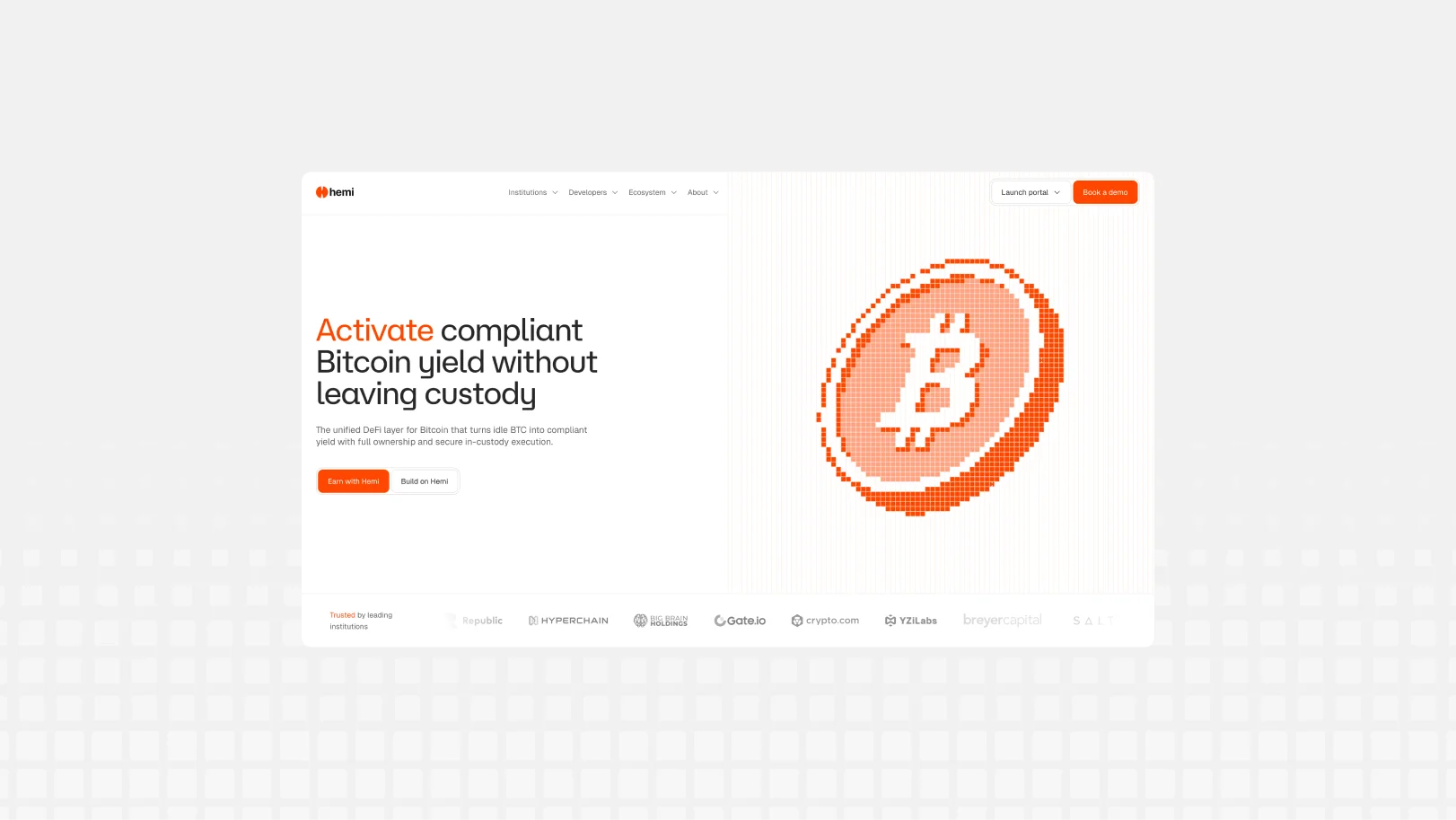
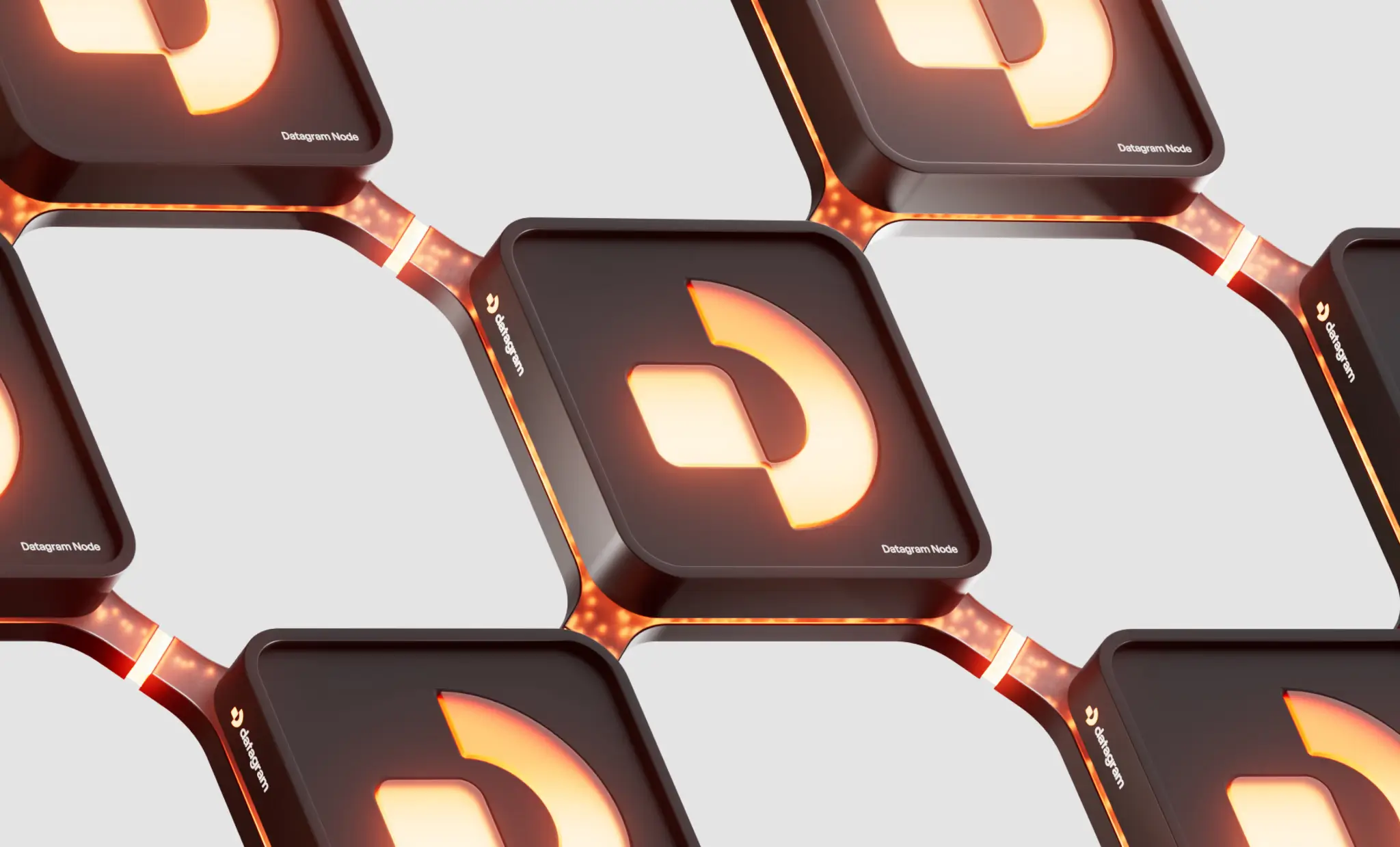
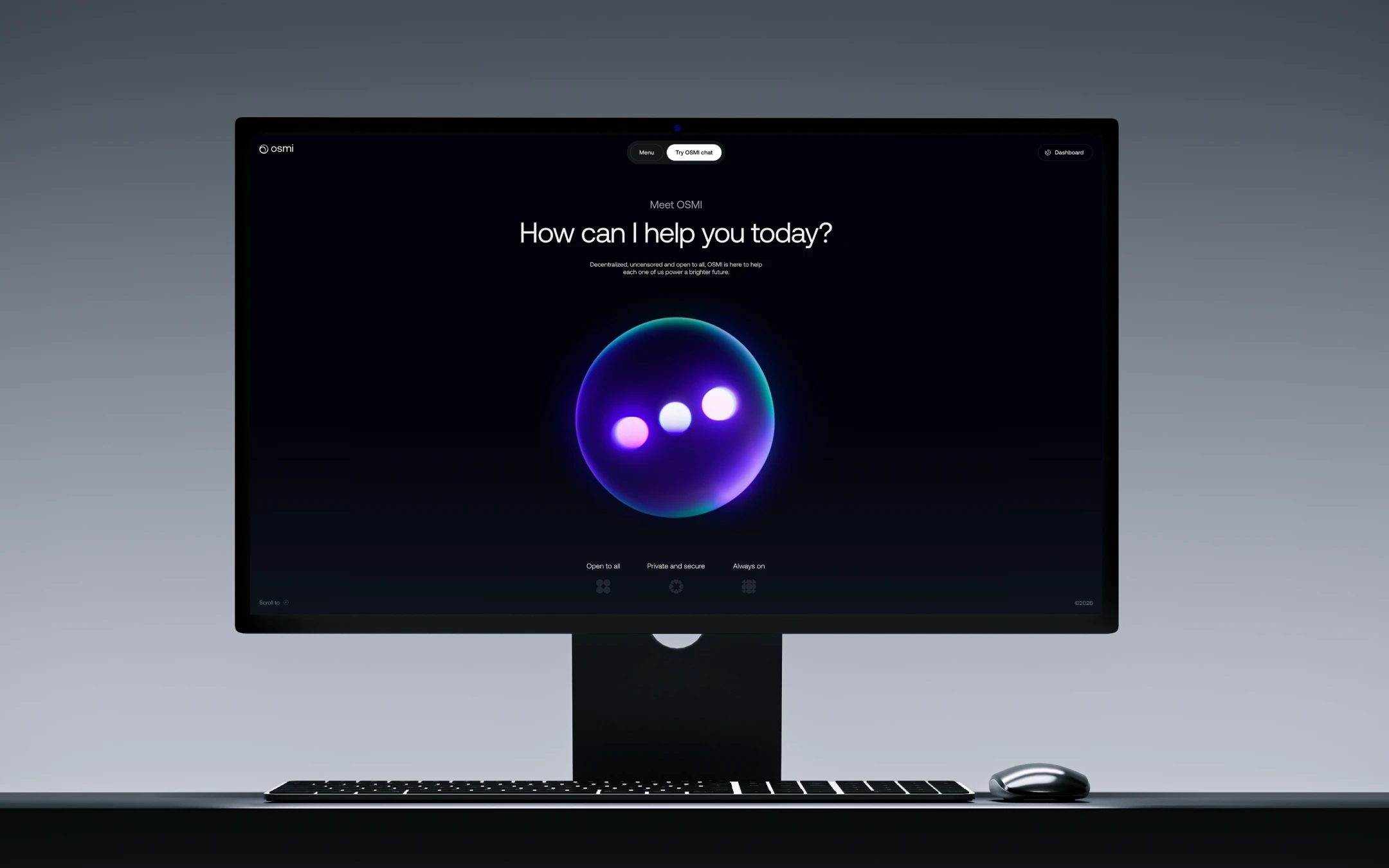
Hemi includes a full rebrand and design system across marketing and app surfaces. Datagram ships with a system covering brand, marketing, and node-operator dashboard. OSMI launched on a system that scaled from pre-launch through $2M launch revenue. VOX ships with a brand system across multiple ecosystem partners. Plus NDA work for additional teams.
A founder and a product or design lead on the kickoff call, your existing brand guidelines or design files if any, and access to the product surfaces the system will support. We handle research, writing, and visual work. You give us product truth, engineering constraints, and feedback in 48-hour cycles. That is the rhythm that ships in two weeks.
Yes. If the brand is in good shape and only the design system is missing, we scope a system-only engagement. We audit the existing visual language, extract tokens from what is already there, structure the component library, and ship documentation. Two to four weeks for a focused system. Brand drift gets fixed as a side effect rather than as a separate project.
We build design systems as part of brand engagements, not as a separate consulting product. Most agencies hand over a PDF brand book and walk away. Most consulting firms hand over a 60-page audit and walk away. We ship a working Figma library, exported tokens, and a documentation surface that your engineering team can pick up the day after we deliver. With a portfolio of 60+ brands and over $3.2B in client value behind the patterns.